How to Grow Bee Balm
Get Your Exact Bee Balm Planting Dates
Enter your ZIP, city, state, or zone for a personalized planting calendar.
Your Bee Balm dates ·
See your dates →* Affiliate links — we may earn a small commission at no extra cost to you.
Supplies You'll Need
* Affiliate links — we may earn a small commission at no extra cost to you.
Plant Overview
Growing Requirements
Sun
Full Sun to Partial Shade
Water
Regular (1-2 inches/week)
Spacing
18" apart
Depth
0.125" deep
Height
2-4 ft
Germination
10-21 days
Ready to Grow Bee Balm?
Find quality seeds from trusted suppliers.
* Affiliate links — we may earn a small commission at no extra cost to you.
Seed Saving Guide
EasyWhen to Harvest Seed
Allow shaggy seed heads to dry fully on the stem. Harvest before winter winds scatter seeds.
Processing
Break apart dried seed heads over a bowl, separate seeds from chaff.
Seed Viability
Up to 2 years when stored cool, dark, and dry.
Pro Tip
Bee balm cross-pollinates between varieties and species — plants from saved seed may show color variation.
Seed Storage Supplies
* Affiliate links — we may earn a small commission at no extra cost to you.
Raised Bed Planting Guides
A 4×8 bed fits 14 plants of Bee Balm. See plant counts, spacing grids, and companion pairings for every bed size →
Bee Balm Planting Calendar by Zone
Bee Balm Planting Calendar by State
Other Plants
Frequently Asked Questions
When should I plant Bee Balm? +
Start Bee Balm seeds indoors 8 weeks before your last frost date, then transplant outdoors 2 weeks after the last frost. Use the search on this page to find exact dates for your ZIP code or city.
How long does Bee Balm take to grow? +
Bee Balm typically matures in about 365 days from planting. Exact timing varies by variety, soil conditions, and local climate.
Should I start Bee Balm indoors or direct sow? +
Bee Balm should be started indoors 8 weeks before the last frost date. This gives seedlings time to establish before being transplanted outside after frost danger has passed.
How much sun does Bee Balm need? +
Bee Balm requires full sun to partial shade to thrive.
How far apart should I plant Bee Balm? +
Space Bee Balm plants 18 inches apart to allow adequate airflow and root development.
How much water does Bee Balm need? +
Bee Balm has regular (1-2 inches/week) water needs. Consistent moisture is important especially during germination and early growth.
Can you save seeds from Bee Balm? +
Yes — seed saving difficulty for Bee Balm is rated easy. Allow shaggy seed heads to dry fully on the stem. Harvest before winter winds scatter seeds. Break apart dried seed heads over a bowl, separate seeds from chaff.
How long do Bee Balm seeds last in storage? +
Properly dried and stored Bee Balm seeds remain viable for up to 2 years. Store in a cool, dark, dry location in an airtight container with a silica gel packet for best results.
Are Bee Balm seeds open-pollinated? +
Yes — Bee Balm is open-pollinated, meaning seeds saved from your harvest will grow plants true to the parent variety. This makes it an excellent candidate for building a self-sustaining garden.
About Bee Balm
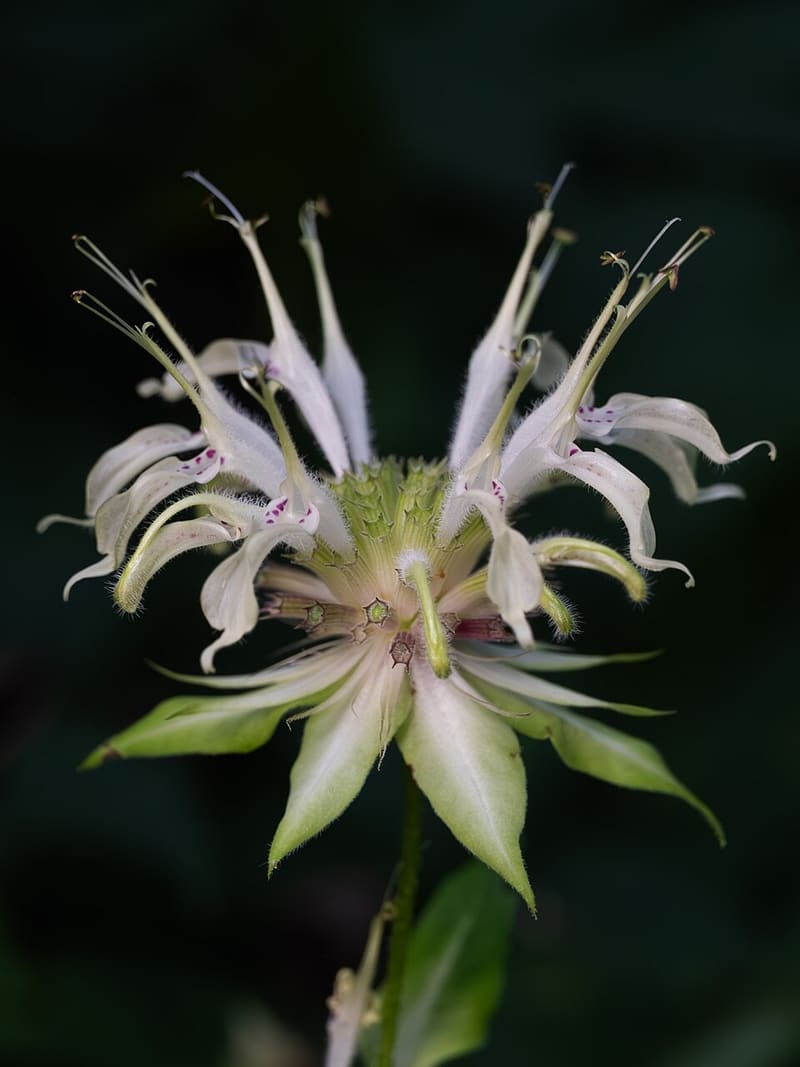
Showy perennial with red, pink, or purple flower heads. Attracts bees, hummingbirds, and butterflies. Leaves used in Oswego tea with oregano-like flavor.
Expect your Bee Balm to be ready for harvest in approximately 365 days from planting.
Use the search above or browse by zone or state to find the perfect planting dates for your location.